
Vortex: The Bat We Recommend More Than Any OtherNot our best seller. The one we point most people at.
Our best-selling English willow bat is the ₹36,999 Dominator. The bat we actually recommend most often is the ₹16,999 Vortex. That gap is worth explaining, because it is the difference between what people buy and what most of them need.
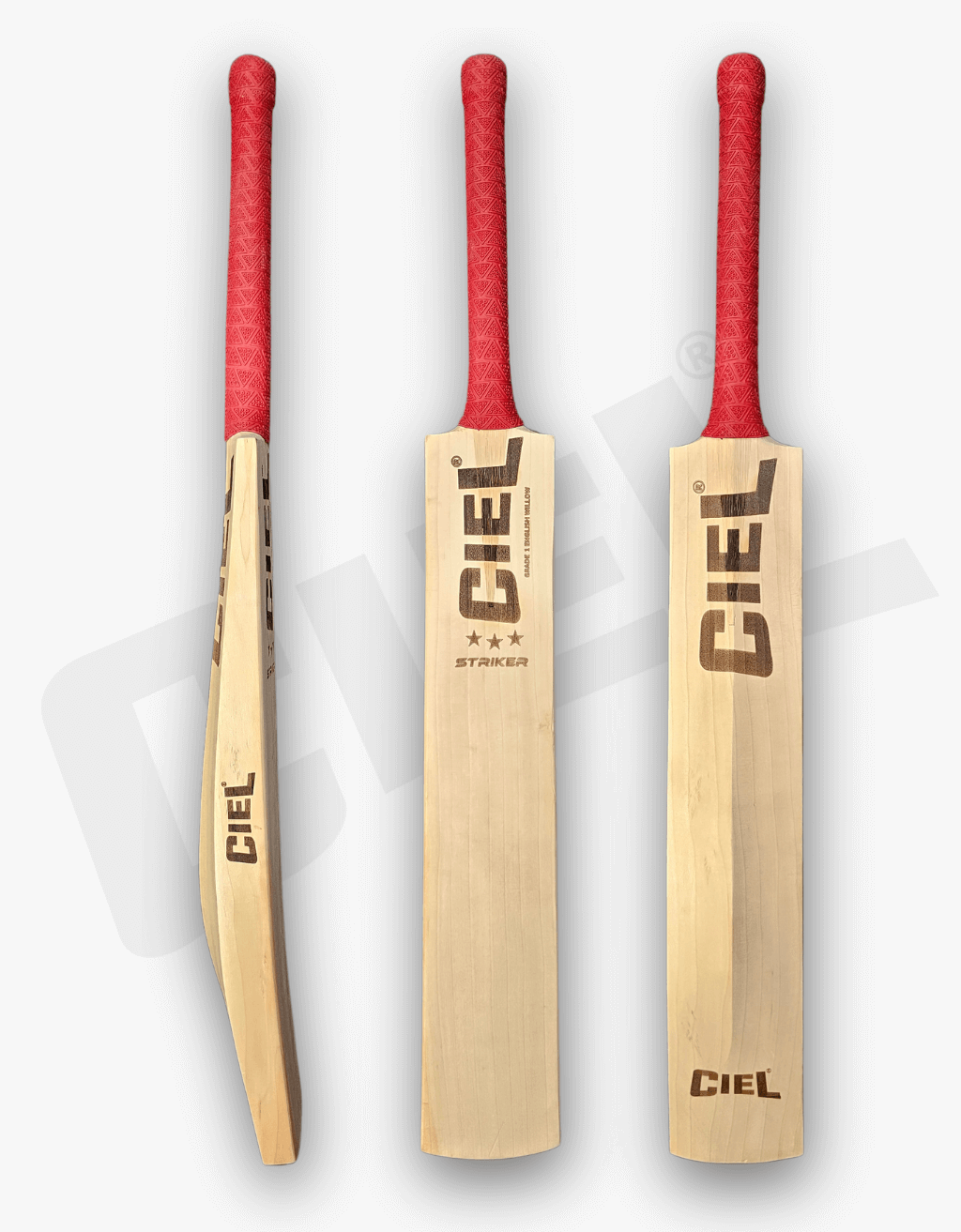
The gap between bought and needed
Two facts sit side by side in our order book.
The Dominator at ₹36,999 outsells everything else we make. And when someone messages us on WhatsApp describing their cricket, the bat we suggest most often is the Vortex at ₹16,999.
Those are not in conflict. People arrive having already decided to buy a serious bat, and the Dominator is the reassuring answer to a difficult choice. The Vortex is the correct answer for a larger number of them.
A maker whose most-recommended bat is also their most expensive should be asked how that happened. Ours is neither the cheapest nor the dearest — it sits third of nine, and the reasons below are the same ones we give on WhatsApp every week.
Four reasons we point here
It is where blade dimensions stop growing
Above the Vortex, bats do not get bigger. Edges stay in the 40 to 43mm band, the blade is the same size, and the weight range is the same.
Why it matters: So from here up you are buying the cleft, not the bat. That is a real thing to buy — but it is a different thing from what most people think they are getting when they spend more.
It is genuine English willow, honestly graded
Not a Kashmir bat with an English sticker, and not the bottom of a range stretched to look like a bargain.
Why it matters: Our English willow starts at ₹7,999 buying direct with no distributor, wholesaler or retailer margin. At ₹16,999 the Vortex is comfortably clear of the price floor where a bat sold as English willow stops being credible.
It leaves budget for the things that score runs
A bat is roughly a third of what a leather ball cricketer actually needs.
Why it matters: Choosing the Vortex over a ₹36,999 bat leaves ₹20,000 — which buys pads, gloves, a thigh guard set, a net bat and a season of consumables. That combination puts more runs on the board than a finer cleft does.
Six specifications are free at this price
Profile, handle shape, toe shape, size, weight and engraving — identical to what a ₹59,999 bat gets.
Why it matters: Profile changes how a bat plays more than a grade step does, and it costs nothing here. A well-specified Vortex beats a badly specified bat at twice the price, and that is not a close call.
Where blade dimensions stop growing
The single most useful fact in this article, and the one that changes how the price ladder reads.
Above the Vortex, bats do not get bigger. Edges stay in the 40 to 43mm band across the whole range. The blade is the same size. The weight is whatever you specify.
| Bat | Grade | Edges | Price |
|---|---|---|---|
| Vortex | Club | 40–42mm | ₹16,999 |
| Striker | Grade 1 | 40–42mm | ₹20,999 |
| Dominator | Grade 1+ | 40–42mm | ₹36,999 |
| Titan Pro | Player Grade | 40–42mm | ₹49,999 |
| Reserve Edition | Ultra premium | 41–43mm | ₹59,999 |
Read that column of edge figures again. ₹43,000 separates the top and bottom rows and the bats are the same size.
What you are buying as you go up is cleft quality — straighter fibre, more even density, more consistent response. That is a real property and it is worth paying for when you can use it. It is simply not the thing most people imagine they are buying.
What you give up
Being straight about this, because a page that only listed advantages would be selling rather than explaining.
Consistency of response across the face. A finer cleft has more even density from toe to shoulder, so the bat behaves the same wherever you strike it rather than mainly in the middle.
That matters when:
- You are middling the ball regularly, so you are in a position to notice the difference
- You play cricket where one mistake ends your innings
- You play on surfaces good enough that the pitch is not hiding it
If all three of those are true of you, buy the Striker or the Dominator. We would rather you did. The Vortex is the right answer for the large number of club cricketers for whom at least one of them is not yet true.
What the difference buys instead
Choosing the Vortex over the Dominator leaves ₹20,000. Here is what that actually covers.
| Item | Price | What it does |
|---|---|---|
| Batting pads | ₹3,499 | Shin and knee |
| Gloves | from ₹1,999 | Finger injuries are the most common avoidable injury in club cricket |
| Thigh guard set | ₹1,699 | Keeps you committing forward — the item that changes how you bat |
| Academy Edition net bat | ₹4,499 | Protects the match bat from the sessions that actually kill bats |
| Preparation service | ₹1,000 | Removes the most common way a new bat is destroyed |
| Grips and scuff sheets | ₹1,300 | A season of consumables |
That is a complete, properly prepared setup with change left over — against one finer bat and gaps everywhere else.
A player with a prepared Vortex and full protection scores more than one with a Dominator and no thigh guard. Not because the Vortex is the better bat, but because the first player commits forward and the second flinches.
Who should buy it
- Regular club and league cricketers who are scoring runs but not yet middling the ball every innings
- Players moving up from Kashmir willow who want a bat they will not outgrow in a season
- Anyone who would rather have a complete kit than a finer cleft — which is most people, once the arithmetic is in front of them
- Players on mixed surfaces — decent turf some weeks, rougher grounds others
And specify it properly. Profile changes how a bat plays more than a grade step does, and all five are free. Our profile guide covers the choice.
Who should not
| If you | Buy | Price |
|---|---|---|
| Middle the ball consistently in competitive cricket on good turf | Striker or Dominator | ₹20,999 / ₹36,999 |
| Play mostly on matting or slow outgrounds | Player Edition Kashmir — denser | ₹5,999 |
| Are in nets three or four times a week | Academy Edition — Grade 2 is denser still | ₹4,499 |
| Are buying a first English willow bat and unsure | Surge | ₹7,999 |
| Specifically want maximum mass and edges | Inferno — no concaving, 1220g min | ₹23,999 |
Questions buyers ask
What is the Ciel Sports Vortex? +
A club grade English willow cricket bat at ₹16,999, with 5 to 7 grains and 40 to 42mm edges. It is the bat we recommend more often than any other in our range, because for most club cricketers it is where the sensible answer sits.
Why do you recommend the Vortex so often? +
Four reasons. Blade dimensions stop growing above it, so from there up you are buying the cleft rather than a bigger bat. It is comfortably clear of the price floor where English willow stops being credible. It leaves budget for protection and a net bat. And the six free specifications matter more for most players than a grade step does.
Is the Vortex good enough for club cricket? +
Yes - it is built for exactly that. Regular league and club cricket is where it sits, and the blade dimensions are similar to bats costing twice as much. What you give up against a higher grade is consistency of response across the face, which matters most to players already middling the ball regularly.
Should I buy the Vortex or the Striker? +
The Striker at ₹20,999 if you are middling the ball consistently in regular competitive cricket - it is Grade 1, which means straighter fibre and more even density. The Vortex if you are not there yet, or if you would rather put the four thousand rupees into protection or a net bat.
Should I buy the Vortex or the Dominator? +
The Dominator at ₹36,999 only if you middle the ball consistently, play regular competitive cricket, and play on surfaces good enough to show the difference. If any of those three is missing, the Vortex is the better buy and the sixteen thousand rupees does more good elsewhere.
Is the Vortex the same size as more expensive bats? +
Similar, yes - and this is the point most buyers miss. Blade dimensions do not rise with grade above this point. Edges stay in the 40 to 43mm band across the range. What rises is cleft quality, not the size of the bat.
Is Rs 16,999 too little for real English willow? +
No. Our English willow starts at ₹7,999 buying direct from the factory floor with no distributor, wholesaler or retailer margin in the price. At ₹16,999 the Vortex sits well above the floor - what should make you suspicious is English willow under about ₹6,000.
What do I give up by not buying a higher grade? +
Consistency of response across the face. A finer cleft has more even density, so the bat behaves the same wherever you strike it rather than only in the middle. That is worth real money to a player who finds the middle regularly and very little to one who does not yet.
Does the Vortex get the same build as your expensive bats? +
Yes. The same 8-stage hydraulic pressing, the same multi-piece Singapore cane handle, the same fitted toe guard and the same 12-month handle warranty as the ₹59,999 Reserve Edition. We do not run a shorter process on the cheaper bats - only the cleft changes.
Is customisation extra on the Vortex? +
No. Profile from five options, handle shape from three, toe shape from three, your size, your weight and laser engraving up to eighteen characters - all free, exactly as on every other bat we make.
Does the Vortex need knocking in? +
Six to eight hours of mallet work plus light oiling, spread over two to three weeks, with at least thirty minutes on the edges. That applies to any English willow bat at any price. Add our preparation service for ₹1,000 and it arrives ready.
Who should not buy the Vortex? +
Players middling the ball consistently in competitive cricket on good surfaces - they will feel a higher grade and should buy one. Players still developing or playing mostly on matting and rough outgrounds - Kashmir willow from ₹4,499 is denser and better suited. The Vortex sits between those two.
Related: why the Dominator outsells it anyway, the range under ₹40,000, and what edge thickness actually does.
Made in Meerut · Built to order
The bat we suggest most, at ₹16,999
Vortex — club grade English willow, 5–7 grains, 40–42mm edges · Same 8-stage pressing, cane handle, toe guard and 12-month warranty as our ₹59,999 bat · Six specifications free · ₹500 now, balance on delivery